
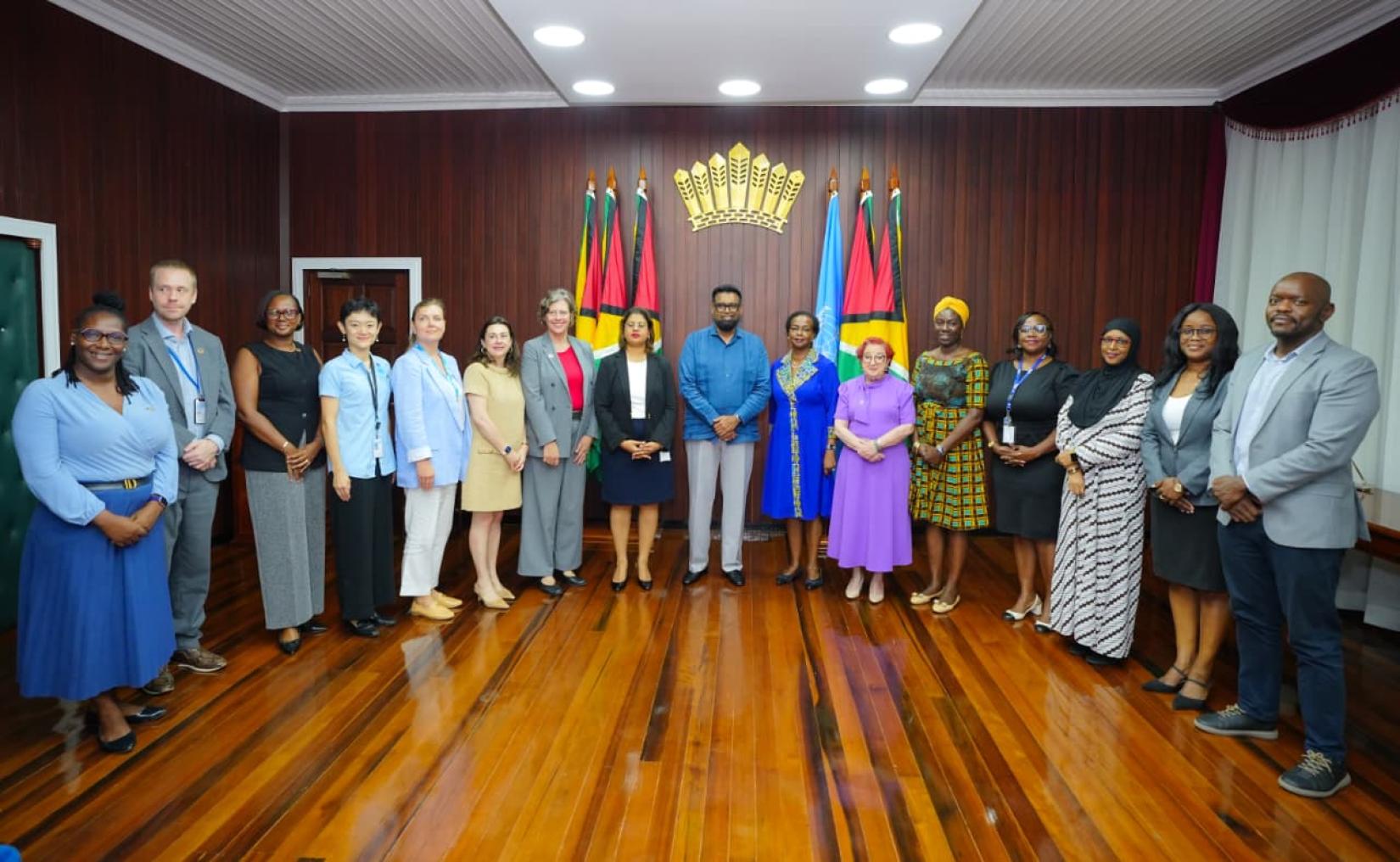
Guyana’s rapid economic transformation has created new opportunities for investment, infrastructure development, technological advancement, and economic diversification. As the country continues to expand its role in the global energy landscape, international partnerships are becoming increasingly important in supporting long-term development and strengthening its position within regional and international markets.
While Guyana’s expanding oil and gas industry has attracted considerable international attention, the country’s development ambitions extend beyond petroleum production. Building a diversified and competitive economy requires sustained investment in infrastructure, education, technology, institutional capacity, and private sector development. Strategic cooperation with international governments, financial institutions, and businesses offers an important avenue for advancing these priorities.
Strengthening Investment and Economic Cooperation
International partnerships can improve access to financing, technical expertise, and investment opportunities across multiple sectors of Guyana’s economy.
The Inter-American Development Bank’s Country Strategy for Guyana for 2023–2026 identifies resilient infrastructure, human capital development, and institutional strengthening as three priority areas. With an indicative sovereign lending pipeline of US$550 million at the time of its approval, the strategy was designed to support sustainable growth, economic diversification, and improved conditions for private sector participation.
Similarly, the World Bank’s 2023–2026 Country Partnership Framework places emphasis on education, job creation, private sector competitiveness, climate resilience, and the management of natural resource revenues.
These partnerships demonstrate how international development cooperation can extend beyond direct financial assistance. Technical support, policy advice, and institutional development can help create the conditions necessary to attract investment, improve public services, and support economic activity beyond the energy industry.
Expanding Infrastructure and Industrial Opportunities
Infrastructure development is essential to Guyana’s continued economic transformation. Improvements in transportation, energy systems, telecommunications, and other critical services can strengthen connectivity, reduce business costs, and create opportunities for investment.
International cooperation can support these developments through access to financing, engineering expertise, technology, and project management capabilities.
As Guyana expands its industrial and commercial activities, modern infrastructure will become increasingly important to the competitiveness of local businesses and their ability to participate in domestic, regional, and international supply chains.
Partnerships that support resilient infrastructure can also contribute to the country’s broader efforts to address climate-related vulnerabilities and improve the reliability of essential services.
Advancing Skills, Technology and Knowledge Transfer
Beyond financing and physical infrastructure, one of the most significant potential benefits of international partnerships is the transfer of knowledge and expertise.
Guyana’s expanding economy requires a workforce equipped with technical, managerial, and digital capabilities. Collaboration among international companies, educational institutions, training providers, and local organisations can create opportunities for professional development, specialised training, research, and innovation.
These efforts are particularly important as industries adopt advanced technologies and increasingly specialised operational standards.
However, sustainable skills development requires more than short-term training. Partnerships that prioritise institutional capacity, practical experience, and long-term professional development can help strengthen local expertise and reduce dependence on external technical capabilities over time.
Supporting Sustainability and Economic Diversification
Guyana’s international relationships also extend to environmental protection, sustainable development, and the growth of non-oil industries.
The European Union’s cooperation with Guyana includes forest governance, sustainable forest management, water and sanitation, and support for green economic development. The EU has earmarked €29 million for Guyana for the 2021–2027 period to foster sustainable investments in collaboration with development and financing partners.
Such initiatives reflect the importance of balancing economic expansion with environmental stewardship and long-term resilience.
Regional cooperation also presents opportunities for diversification. Through CARICOM, Guyana has played a leading role in advancing regional food security and agricultural development. The regional food security initiative, initially known as 25 by 2025, was extended to 2030, with an expanded focus on resilience, sustainability, and innovation.
These forms of cooperation highlight opportunities to develop agriculture, manufacturing, services, and other productive sectors alongside Guyana’s growing energy economy.
Creating Opportunities for Guyanese Businesses
For Guyanese businesses, international partnerships can provide pathways to new markets, advanced technologies, industry expertise, and commercial relationships.
Collaboration between local enterprises and international companies can help strengthen supplier capabilities, improve operational standards, and support participation in increasingly sophisticated value chains.
Nevertheless, meaningful participation requires deliberate efforts to address challenges such as access to finance, workforce readiness, business capacity, and compliance with international requirements.
Creating an environment in which local enterprises can develop lasting commercial relationships will be essential to translating international interest into broader economic opportunities.
Connecting Partnerships with Guyana’s Future
As Guyana’s economy continues to evolve, the value of international cooperation will increasingly depend on its ability to deliver measurable and lasting development benefits.
Successful partnerships should contribute not only to investment and commercial activity but also to stronger institutions, improved infrastructure, a more skilled workforce, and a competitive domestic private sector.
Platforms such as the Guyana Energy Conference & Supply Chain Expo provide opportunities to advance these conversations by bringing together policymakers, investors, industry leaders, development partners, and businesses to explore areas of mutual interest and potential collaboration.
Under the 2027 theme, “Beyond Frontiers: Guyana’s Energy Story,” the conference will provide a platform for discussions about the partnerships, investments, and capabilities needed to support the country’s next phase of development.
As Guyana looks beyond its immediate economic expansion, building productive and sustainable international relationships will remain an important part of converting emerging opportunities into long-term national development.