Guyana’s economic transformation is creating opportunities well beyond traditional industries. As the country seeks to build a more diversified economy, greater attention is now being placed on an asset Guyana has possessed for generations: its culture, creativity and talent.
This is where the Orange Economy comes in.
The term refers broadly to economic activities built around creativity, culture, knowledge, innovation and intellectual property. According to UN Trade and Development (UNCTAD), the creative economy includes industries such as music, film, fashion, arts and crafts, design, photography, publishing, advertising, software, gaming, television and performing arts.
For Guyana, the concept creates an opportunity to turn cultural expression into sustainable businesses, employment and exportable products and services.
From Culture to Commerce
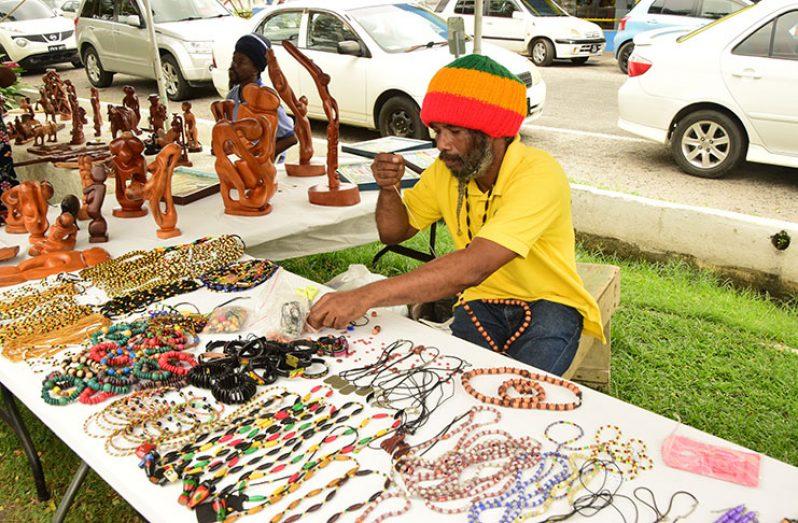
Guyana possesses a distinctive cultural identity shaped by its Indigenous peoples and its African, Indian, European, Chinese and Portuguese heritage, along with generations of interaction among these communities.
That diversity is expressed through food, music, dance, festivals, fashion, craft, visual art, storytelling and traditions found across the country.
The economic opportunity lies in building the systems that allow creators to earn sustainable incomes from those assets.
A Guyanese designer, for example, is not simply producing clothing. The designer can create a brand that employs photographers, models, makeup artists, videographers, graphic designers and marketing professionals. Similarly, a music industry creates opportunities not only for performers but also producers, recording engineers, event organisers, promoters and digital-content specialists.
Government has increasingly identified these connections as part of Guyana’s economic diversification agenda. In 2026, G$3.7 billion was allocated to the Orange Economy, following G$3.6 billion invested in 2025.
A National Multistakeholder Orange Economy Taskforce was also established in 2025, with work towards a medium-term strategic plan covering areas including cultural heritage tourism, gastronomy, literature, visual and performing arts, film, fashion and festivals.
Building the Infrastructure for Creativity
For a creative economy to grow, talent alone is not enough. Creators need infrastructure, financing, training, intellectual-property protection, access to technology and channels through which their products can reach consumers.
Guyana has begun making investments in some of these areas.
Among projects identified under the Orange Economy initiative are the Palmyra Cultural Market and the development of a National Art Gallery and Museum. Government has also been expanding recording infrastructure. The Port Mourant recording studio was commissioned, while additional studios at Bayroc, Reliance and Uitvlugt were scheduled for completion during 2026.
These investments matter because creative industries need spaces where ideas can move from talent to commercial products.
Digital technology provides another opportunity. Musicians no longer require a physical record store to reach international listeners. Artists can sell products online, filmmakers can distribute content digitally and designers can market their work to customers thousands of kilometres away.
UNCTAD reported that worldwide exports of creative services reached US$1.4 trillion in 2022, increasing 29 per cent compared with 2017, illustrating how significant knowledge- and creativity-based services have become in international trade.
For Guyanese creators, greater digital connectivity therefore has the potential to make the market significantly larger than Guyana itself.
Culture and Tourism Can Grow Together
Tourism is another important connection.
Visitors do not experience a country only through hotels and transportation. They consume food, entertainment, festivals, art, craft, heritage, architecture, music and stories. This means the growth of tourism can create a larger market for local creators.
Guyana recorded 453,489 visitor arrivals in 2025, a 22 per cent increase over 2024. The growth continued in 2026, with more than 271,000 visitors recorded during the first seven months of the year.
As visitor numbers increase, the opportunity is to ensure that more tourism spending circulates through Guyanese communities and businesses.
A visitor purchasing locally designed clothing, attending a cultural performance, eating Guyanese cuisine, visiting a heritage site or buying craft made by a local artisan is participating directly in the creative economy.
Community-based and cultural tourism can be particularly valuable because it provides communities with opportunities to commercialise authentic experiences while retaining ownership of their cultural assets.
Creativity as an Export
One of the greatest possibilities of the Orange Economy is that cultural products can travel internationally without requiring the creator to permanently leave Guyana.
Music can be streamed globally. Guyanese films can reach international audiences. Locally designed fashion can be exported. Books can be distributed digitally. Animation, graphic design and other creative services can be provided remotely.
Guyana’s landscapes and cultural diversity also create opportunities for film and audiovisual production. In May 2026, President Dr Mohamed Irfaan Ali publicly identified film, media, music, fashion and related industries as areas in which Guyana is seeking greater investment and international collaboration.
However, converting creative talent into sustainable businesses also requires strong protection for intellectual property. Copyright, trademarks and other intellectual-property rights can help creators retain control over their work and earn income when it is reproduced, licensed or commercialised. The Inter-American Development Bank identifies intellectual property as a central mechanism through which creators can monetise their work.
Building a Sustainable Guyanese Creative Economy
Guyana’s Orange Economy is still developing, and it would be premature to claim that creative industries already contribute a specific share of national GDP without reliable national measurements.
That gap itself highlights an important next step: better data.
Understanding how many people work in creative industries, how much income the industries generate and which sectors have the strongest export potential would allow policymakers, investors and entrepreneurs to make better decisions.
Development will also require investment in business skills. A talented musician, designer, photographer or craft producer must also understand pricing, contracts, marketing, intellectual property, financial management and digital distribution if creativity is to become a sustainable enterprise.
The opportunity is significant.
Guyana’s natural resources are helping finance a period of rapid economic transformation, but long-term diversification will depend increasingly on industries built around human capital.
The Orange Economy offers one such path.
Guyana does not need to manufacture its culture. It already exists in its music, food, festivals, fashion, stories, landscapes, communities and people. The challenge is to create the institutions, skills, infrastructure and markets that allow those assets to generate lasting economic value.
If that foundation is built successfully, creativity can become more than an expression of who Guyanese are.
It can become part of what Guyana produces, exports and earns from in the global economy.